 PlanteRare
From sealed culture to growing plant
How to Acclimate Tissue Culture Plants
A sealed TC plantlet has grown in a controlled container. Acclimation is the gradual transition to life outside it. Start with a clean setup and adapt the pace to the plant, rather than opening the cover on a fixed date.
By PlanteRareAndCo, Brittany, France · Published · Updated · Diesen Leitfaden auf Deutsch lesen · Leggi questa guida in italiano
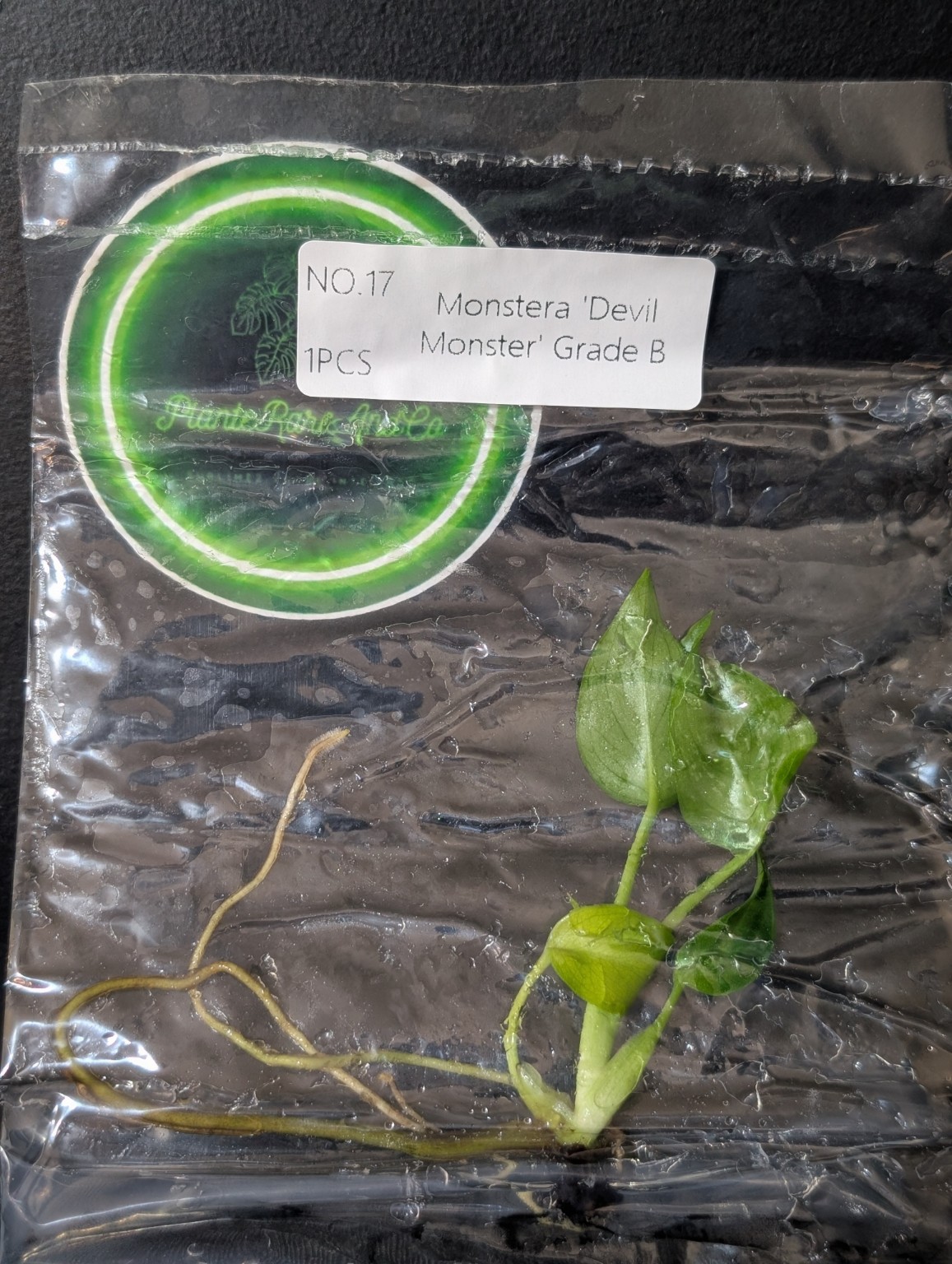
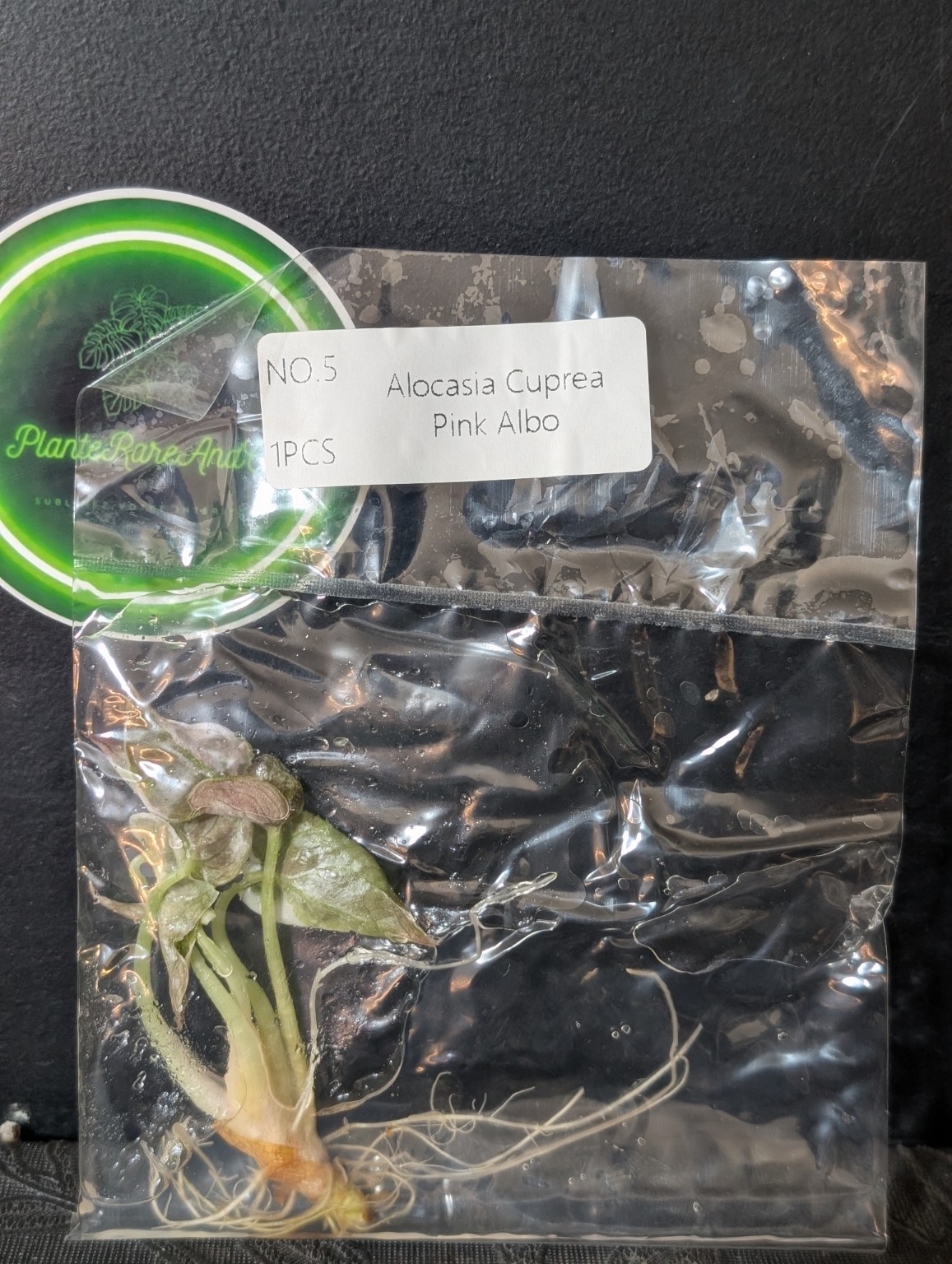
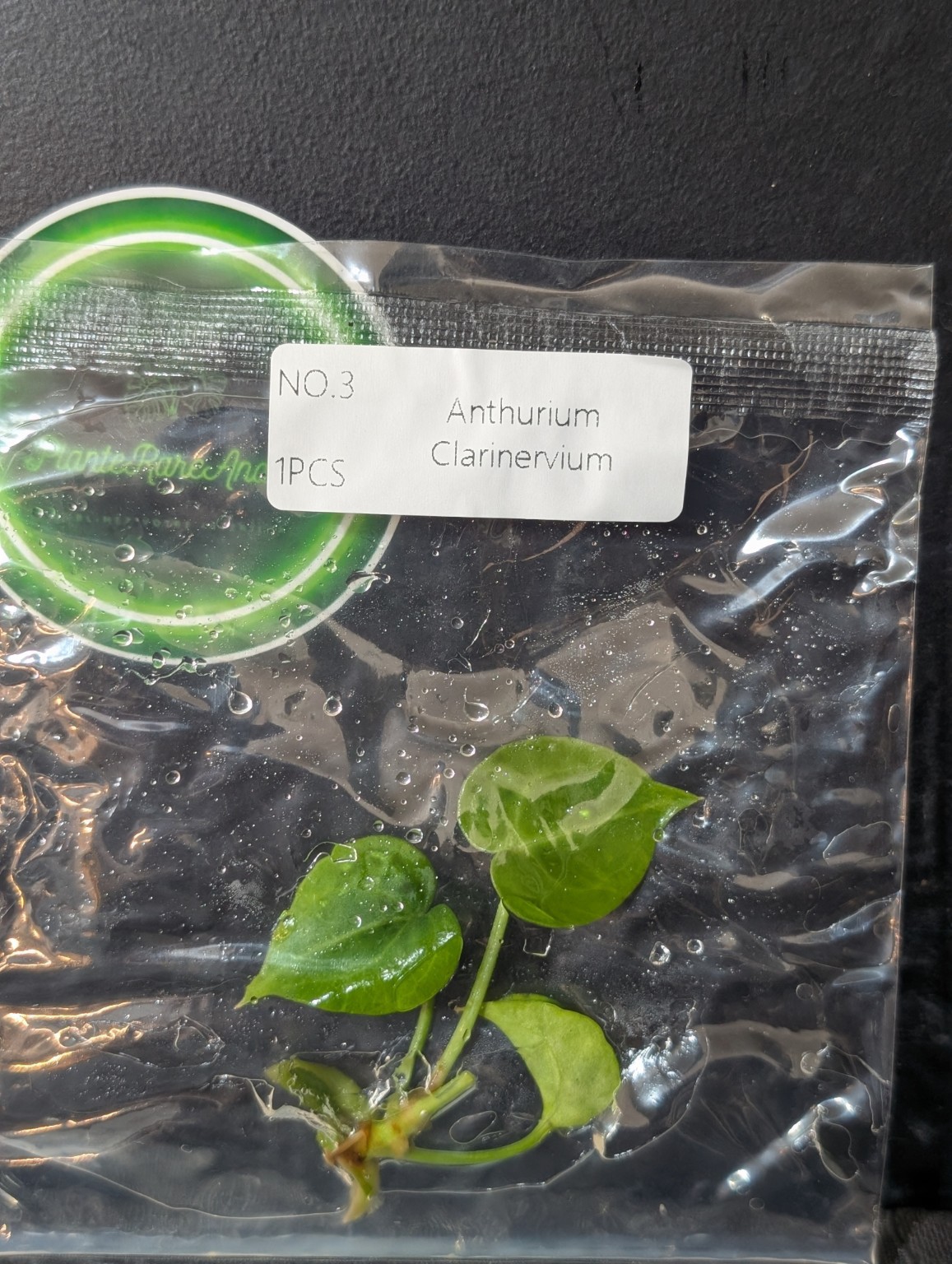
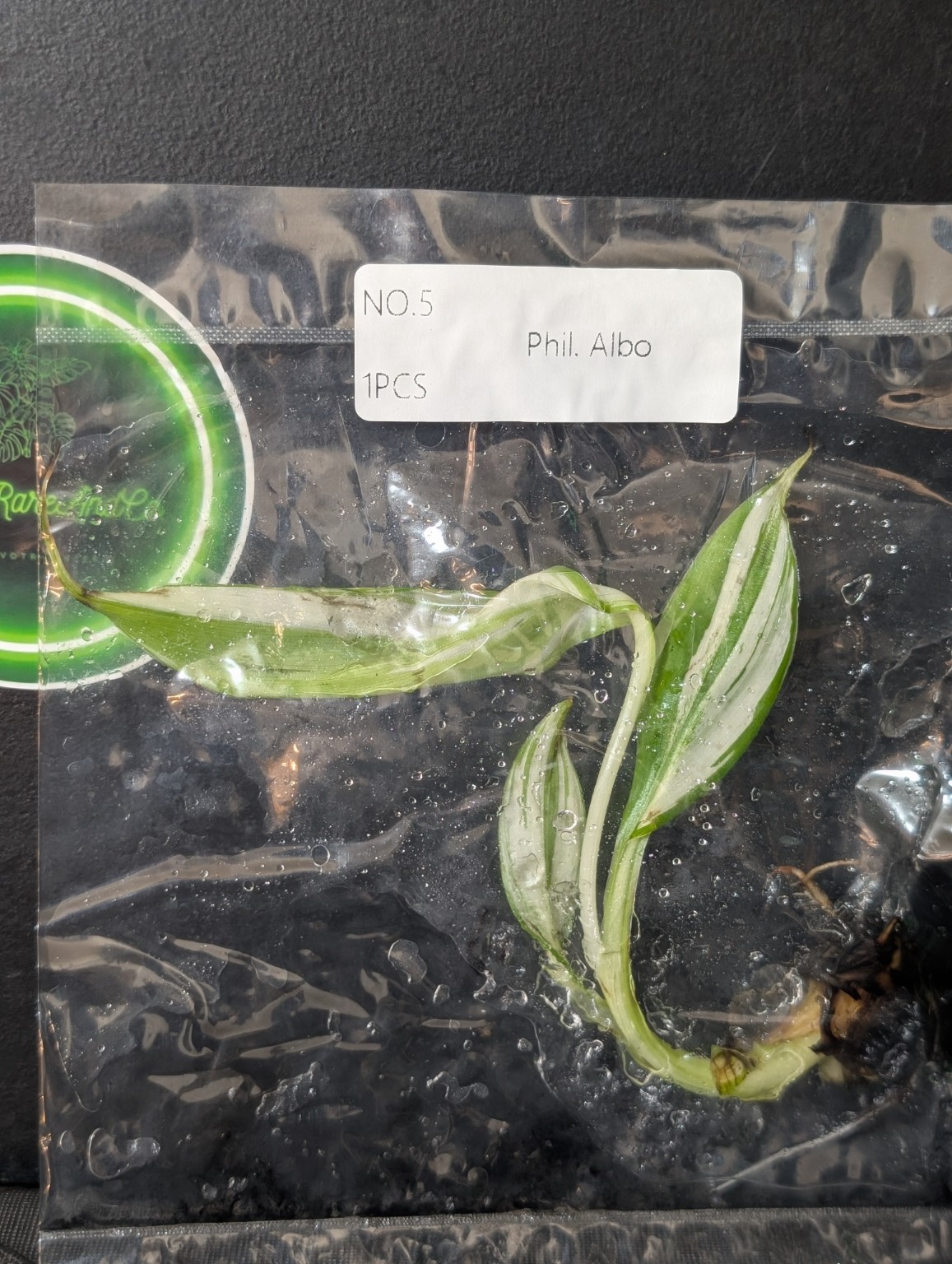
Our own photographs of past specimens illustrate the supplied in-vitro format. These are not progress photographs, current stock promises or examples of a guaranteed result.
1. Check the closed container on arrival
Look at the seal, pouch or vessel, label and plantlet before changing anything. Photograph any leak, broken container or suspect growth, then contact the seller with the order reference. A colour change alone does not identify a disease.
Keep a suspect culture apart. Avoid improvised chemical baths or opening several cultures together. For a PlanteRareAndCo order, report an arrival problem before intervening when possible. The product instructions take priority over a universal waiting period.
2. Prepare a small, manageable setup
- A clean work surface and clean handling tools.
- A small pot with drainage and a growing medium suited to fine young roots.
- A transparent cover or propagation box that you can ventilate progressively.
- Bright indirect light and a stable location away from direct sun, cold draughts and heat sources.
Humidity around the leaves and moisture in the pot are separate controls. High air humidity does not mean leaving the roots in saturated medium. Choose the pot, medium and watering method together.
A fine, airy mix can be easier to manage than a coarse mix intended for an adult aroid. Check the composition of growing supplies and kits before choosing. No substrate alone guarantees establishment.
The Fluval Stratum and perlite mix for TC acclimation contains equal parts of each component by volume, in 0.5 L or 1 L bags. It is substrate only and non-sterile; check the product page for use and current options.
3. Open, rinse and pot gently
- Open only when the plant’s care instructions and your setup are ready.
- Lift out the plantlet carefully. Rinse away the gel around the roots with gentle handling; avoid pulling on delicate roots.
- Set the roots into the prepared moist medium, keeping the plant supported without compacting the pot heavily.
- Place it under its humidity cover in indirect light. Keep direct sun off a closed box: the interior can overheat.
Record the date, variety, growing medium and initial condition. A photograph now gives you a useful comparison when new leaves or roots appear.
4. Adjust ventilation to the plant’s response
Look for establishment and new growth before making large changes. Increase ventilation in small steps and observe how the leaves hold up. If the plant wilts after a change, reassess ventilation, moisture, roots and temperature instead of changing every setting at once.
| What you notice | What to check | Next step |
|---|---|---|
| Wilting after ventilation | How quickly the cover was opened; root and medium condition | Slow the transition and observe before another increase |
| Constantly wet medium | Drainage, water level and pot size | Review watering; avoid leaving the pot waterlogged |
| New visible growth | Leaf condition and continuing root development | Continue gradual adaptation, without a sudden environmental change |
| Suspect growth in a sealed container | Seal, photographs and arrival condition | Keep apart and contact the seller before treatment |
There is no single acclimation duration for every Monstera, Alocasia, Anthurium or Philodendron. A thirty-day plan is an observation framework, not a deadline or a promised survival rate.
5. Choose the right stage before you buy
A sealed TC lets you carry out the transition yourself. An already acclimated plant has completed the initial transition out of the container; check its current growing conditions before continuing at home. “Pre-order” describes the supply calendar, not how far the plant has grown.
Check the named variety, format, photographic status, availability, extra charges and expected dispatch window. A mature variety photograph does not guarantee the exact size, leaf count or future variegation of a young plantlet.
Tissue culture plants currently in stock in France
No sealed or acclimated tissue-culture references are currently in stock. A reference in the catalogue is not a promise of immediate availability.
A sealed culture requires the transition described in this guide. An acclimated plant has already left its culture container; continue from the conditions stated on its own product page.
Browse all tissue culture references · Compare current stock by genus and format (French)
Sources and limits
The RHS explains laboratory propagation and growing on. University of Florida IFAS describes micropropagation stages, including acclimatization, using Begonia as its example; a species-specific protocol should not be treated as a universal schedule for every aroid. This page offers general care guidance and does not diagnose an individual plant.
- RHS: micropropagation
- University of Florida IFAS: a beginner’s guide to Begonia micropropagation (PDF, English)
- PlanteRareAndCo’s illustrated French acclimation guide
For help with your plant, contact PlanteRareAndCo with its reference, photographs and growing conditions.